top of page
bottom of page
Iceland sits at the southern edge of the auroral oval. On strong KP nights (KP 4 and above), displays are visible and frequently dramatic. The variable is cloud cover, which Iceland has more of than Norway or northern Sweden. We plan around this with contingency nights and remote positioning away from any settlement.
What Iceland has that the others do not is the combination of aurora with glacier ice caves. Accessible only November through March when cold temperatures stabilise the glacier.
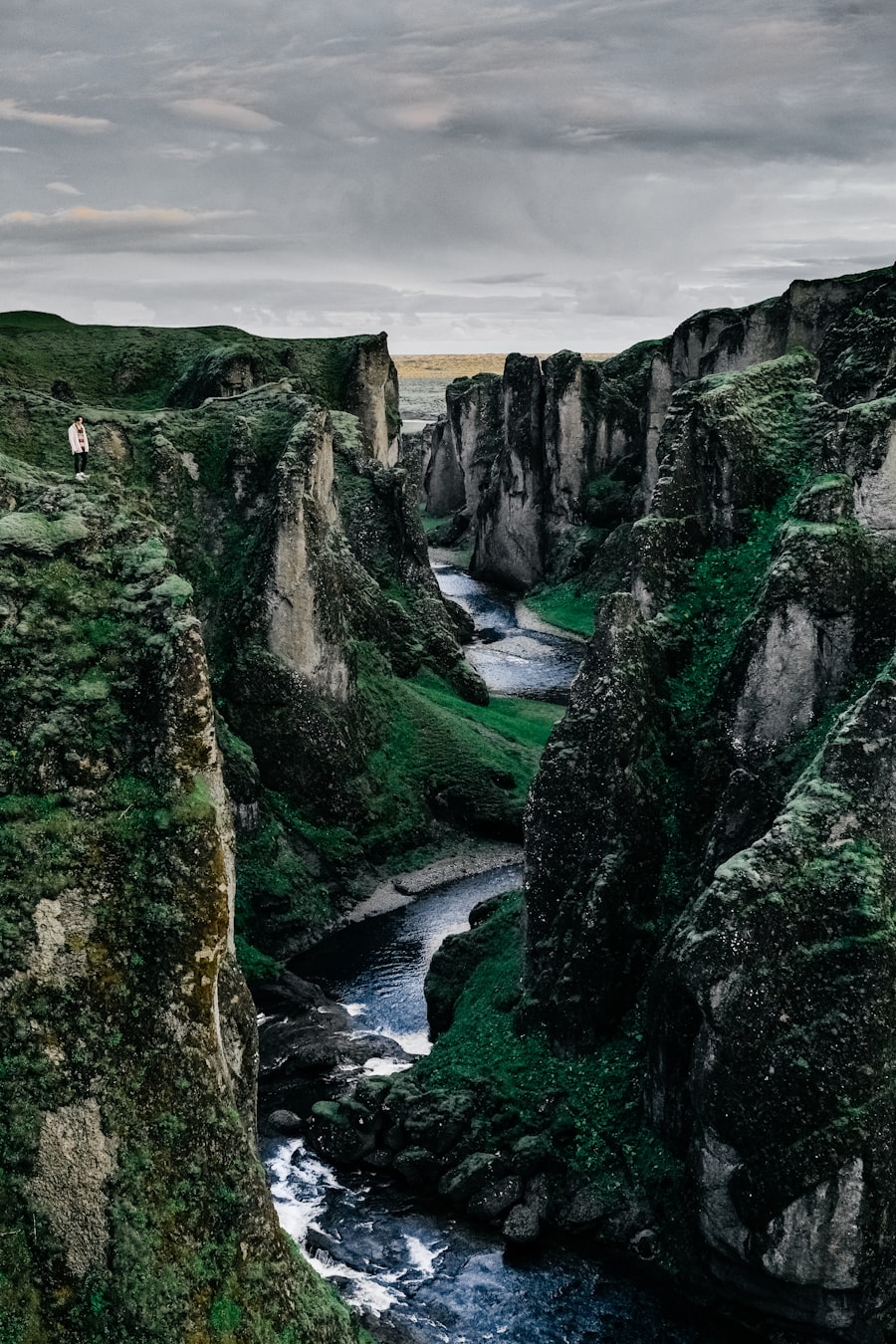
Crystal blue ice caves inside Vatnajökull. Accessible only in winter. Pairs with aurora nights in the same itinerary.
Nov to Mar onlyNatural thermal pools in the Westfjords and south coast. Outdoor bathing in sub-zero air.
Year-round · Best in winterFarm stays and remote lodges on Snæfellsnes and in the Westfjords where the sky is entirely uncompromised.
Oct to MarVatnajökull and Langjökull glaciers in winter. Iceland’s scale in snow and silence.
Dec to MarHúsavík and Akureyri operate winter whale watching for humpback and minke through much of the aurora season.
Oct to MarPrivate access to dark-sky locations with a specialist photographer. Requires flexibility around KP forecast windows.
On requestArrival Reykjavik, private transfer south. First aurora opportunity from black-sand coast.
Private guide into Vatnajökull. Overnight remote lodge at Skaftá with dark-sky access.
Remote geothermal bathing, coastal darkness positioning. Final contingency night.
First dark-sky positioning on Snæfellsnes. Aurora from 10pm onward from early October.
Remote fjord accommodation. Lowest light pollution in Iceland. 4 consecutive prime viewing nights.
Geothermal landscape, Nature Baths, lava formations. Final aurora nights.
Private outdoor hot tubs, aurora alert service, direct dark-sky access.
Working farms. Absolute darkness, geothermal access, complete remoteness.
Glacier-facing, western horizon clear. Private geothermal pool access.
Tell us your dates. We build from there.
Begin a conversationAt 69°N, Tromsø is positioned within the band of maximum aurora activity. On a night with moderate solar activity and clear skies, the display here is overhead, filling the sky rather than sitting on the horizon. This geographic advantage is consistent and meaningful.
Norway in winter is also the only destination in our portfolio where aurora season coincides with whale season. Humpback and orca follow the herring migration into the fjords between November and January. A morning at sea watching orca surface against a snowfield, an evening waiting under the lights.
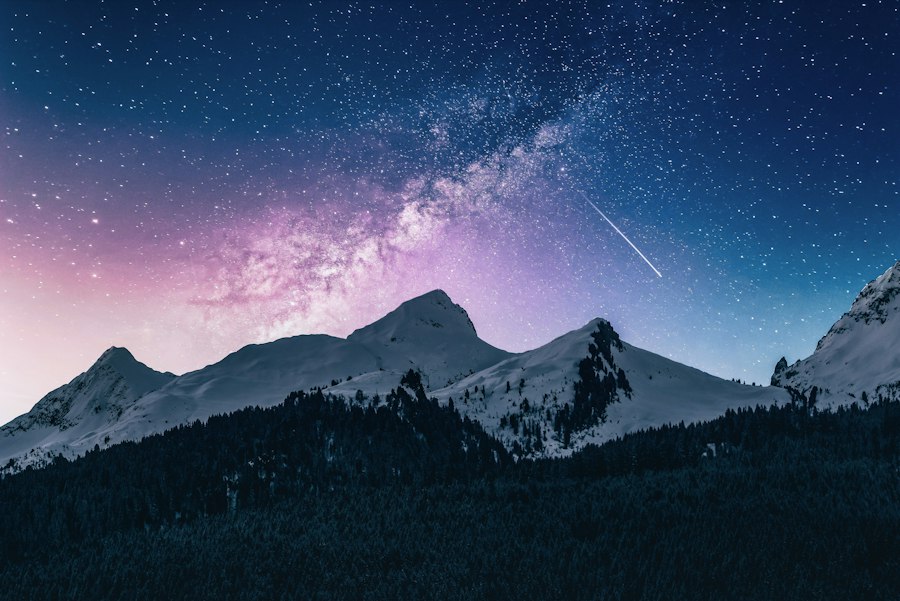
November to January, orca and humpback follow the herring into Kaldfjord. Private RIB or small vessel. One of the most powerful wildlife encounters we arrange.
Nov to Jan onlyPrivate guided mushing through Arctic birch forest and frozen tundra. The silence between the dogs’ footfalls in deep snow is its own experience.
Dec to MarTraditional reindeer-pulled pulka with Sámi herders. Cultural exchange with direct access to indigenous knowledge of the Arctic.
Dec to MarGuided snowmobile into remote mountain terrain north of Tromsø. Access to dark-sky positions unreachable by any other means.
Dec to AprWhite-tailed sea eagles along the Norwegian coast in winter. Private boat through fjords with naturalist guide.
Oct to MarTraditional Norwegian sauna at the water’s edge, ice plunge. The most authentic versions are in remote fishing communities north of Tromsø.
Oct to MarPrivate transfer to remote fjord lodge north of city. Dark-sky positioning from first night.
Morning RIB expeditions into Kaldfjord for orca. Dog sledding afternoons. Aurora vigil from 5pm.
Full day with Sámi family. Reindeer herding, pulka, traditional meal in lavvu.
Transfer to wilderness lodge on Kvaløya island. Immediate dark-sky access. First aurora night.
Snowmobile into Lyngen. Remote mountain lodge, complete silence, extreme dark sky. Nightly vigil.
Final nights at fjordside lodge. Sea eagle safari, sauna and ice plunge, final aurora nights.
Private cabins at the fjord edge, north-facing, complete darkness. 20 minutes from Tromsø airport.
Remote in the Lyngen Alps, and one of the strongest aurora positions in Norway. Arrival logistics are arranged per journey and confirmed at booking.
Wood-burning stove, outdoor viewing platform, complete isolation. Accessed by snowmobile.
The whale season overlap runs November to January. Worth building your window around this.
Begin a conversationThe Abisko microclimate is documented: Lake Torneträsk creates a localised weather pattern that consistently produces clear skies when cloud covers the surrounding region. The Aurora Sky Station at Abisko has operated on this statistical basis for decades.
Swedish Lapland also holds the ICEHOTEL at Jukkasjärvi. Rebuilt every November from the ice of the Torne River, demolished each spring. An art suite carved from ice, temperature at −5°C, reindeer skin sleeping bag, and the ability to step outside at 2am when the KP rises.
Rebuilt each November, demolished each April. Art suites carved by international artists.
Nov to Apr onlyPurpose-built observation station above the cloud line. When cloud covers the valley, a chairlift takes you above it. Heated platforms, astrophysicists on site during peak season.
Dec to MarExpedition mushing through Lapland birch forest with overnight in wilderness cabins. Complete silence with only the sound of runners in snow.
Dec to MarTime with a Sámi reindeer-herding family, arranged through long-standing relationships, limited parties each winter. Not a tourist activity.
Dec to Feb · LimitedTraditional ice fishing through drilled holes. Meditative and quiet. Combined with an open-fire meal on the ice.
Jan to MarOne of the great Arctic landscapes in winter. Birch forest, frozen lake expanses, fell scenery. There are no other visitors in winter.
Nov to MarTwo nights in an art suite. −5°C. Reindeer skin sleeping bag. Aurora from the open-air ice bar.
Transfer to microclimate. Aurora Sky Station evenings. 3 consecutive high-probability nights.
Arrival Kiruna, transfer Jukkasjärvi. 3 nights including one ice art suite. Dog sled and ice fishing.
4 nights in the microclimate. Aurora Sky Station nightly. Best clear-sky probability of the itinerary.
Rebuilt every November from the Torne River. Art suites winter-only. Books well ahead for peak December to February.
Positioned in the microclimate. Direct chairlift to Aurora Sky Station.
Used during dog sledding expeditions. Wood-burning stove, total isolation.
ICEHOTEL and Abisko book several months ahead. Start early.
Begin a conversationFinnish Lapland returns to true astronomical darkness earlier in autumn than Iceland or southern Norway. For clients with an October or even late September window, Finland offers genuine viewing opportunities before other destinations are fully dark.
Finland also holds the glass-roofed log cabin experience. Warm inside, open to the sky, with the aurora playing directly overhead while you lie in bed. You are comfortable. The sky is fully visible. It is the most accessible form of aurora viewing we offer.
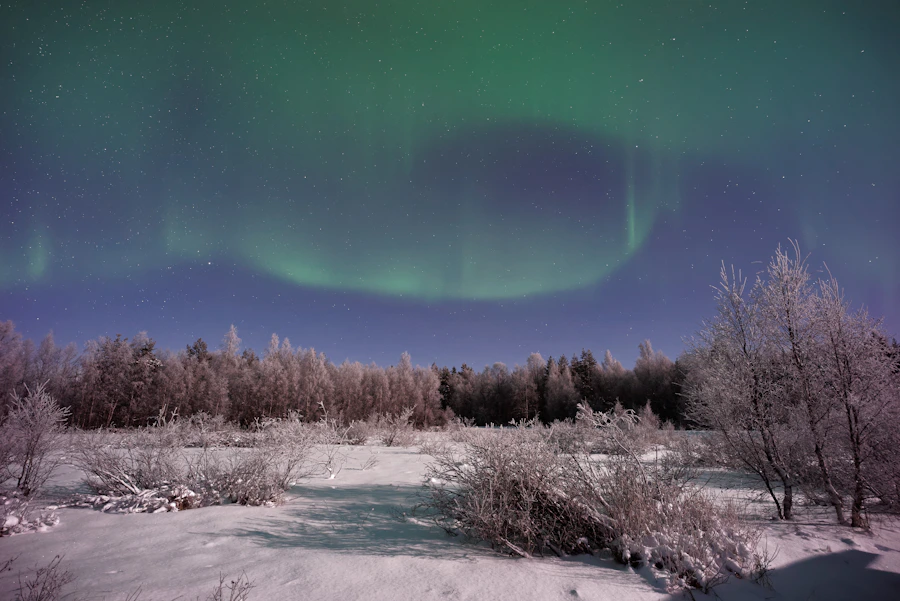
Warm log cabins with thermal glass roof panels at Kakslauttanen. Aurora visible directly overhead from bed. No cold exposure required.
Sep to AprSmoke sauna on the frozen lake edge, ice plunge through a cut hole in the surface. Sauna culture as it exists in Finnish life. Not a hotel amenity.
Dec to MarReindeer-pulled pulka through Sámi territory in the Inari region. One of the least commercially mediated Sámi experiences we offer.
Dec to MarDog sledding expeditions from half-day to 3-day wilderness routes. Overnight wilderness cabin options.
Dec to MarLake Inari is one of the largest in Europe. Ice fishing kilometres from any settlement, wholly different from tourist operations near Rovaniemi.
Jan to MarSnowshoe through fell country in complete wilderness. One of the least visited national parks in Scandinavia in winter.
Nov to Apr4 nights in glass-roofed log cabins. Aurora visible from bed. Smoke sauna, husky safari, reindeer pulka.
Transfer north to Lake Inari. Sámi reindeer experience, ice fishing, snowshoe in Urho Kekkonen.
Direct flight Rovaniemi, transfer north. First aurora window from night 1. September darkness available here before Iceland or Norway.
Urho Kekkonen wilderness position. Complete isolation, fell landscape open to all horizons. 4 nights in best viewing position.
The original glass igloo experience. Aurora visible without leaving bed. Books many months ahead in winter.
Remote lodge on Lake Inari. Private cabins, smoke sauna, husky kennels on site.
Small, remote, winter-access properties at the park edge. Complete darkness. Fell landscape unobstructed in all directions.
Glass cabin availability at Kakslauttanen is the first constraint. Start 4–6 months ahead of winter.
Begin a conversationReward your best people with something they will talk about for years. Bespoke Nordic experiences for executive retreats, team offsites, and incentive programmes.
Request a programme briefYour top performers have done the Maldives. They have done Scottsdale. What they have not done is play golf at 1 AM under the midnight sun, stand on a fjord at 69 degrees north with nobody else around, or dine privately in a restored fisherman's cabin on the Lofoten Islands.
Nordic incentive travel is not mainstream yet, and that is most of its value. A programme here is still unfamiliar to the people you are rewarding, which is harder to buy than a better hotel.
3-5 days. C-suite offsites combining strategy sessions with extraordinary Nordic experiences. Private lodges and private chefs, in places where nothing else is competing for attention.
4-7 days. Top-performer reward trips across Iceland, Norway, Sweden, or Finland. Midnight golf, Northern Lights, glacier expeditions, whale watching.
3-5 days. Arctic wilderness challenges, fjord kayaking, traditional Nordic cooking classes, midnight hiking.
Custom duration. Impress key clients or partners with experiences they cannot book themselves. Private access, and itineraries built for the group.
Every programme is built from scratch by Halldór and Silvía, our co-founders, both Icelandic. We handle the logistics across the Nordic countries. Iceland is our own ground, and beyond it we work through a vetted partner network: accommodation, transfers, guides, activities, dining, emergency support.
We work on direct booking or through your preferred travel management company.
We are Icelanders who have lived and worked across Scandinavia for years. We know these places from living in them, not from a supplier catalogue.
5 bookings per month. Maximum 2 concurrent groups. Your programme gets our full personal attention.
One point of contact from first enquiry to airport departure. You deal with the same person throughout, and nothing is handed to a call centre.
Tell us about your group and we will send a bespoke programme brief within 48 hours.
Unforgettable Nordic LLC · hello@unforgettablenordic.com · We operate across Scandinavia, Faroe Islands, Greenland, Svalbard and Lofoten
Home · Northern Lights · Midnight Golf · Corporate · Contact
Private golf journeys in the Arctic North during the solstice window. Designed personally by Halldór and Silvía. Five trips per month and two groups at a time, and we hold to that.
Begin the conversationWhy June and JulyThe midnight-sun window in the high Arctic is narrow. The sun does not set between late May and late July.
The peak week in 2027 falls around the summer solstice, 20–21 June. Horizontal sun angle through the night softens shadows and gives the fairway a quality you do not get further south. Our journeys place clients on the best courses inside that window, with tee times after ten in the evening.
The season compresses quickly. Solstice-week capacity is usually claimed six to nine months out. We take five Nordic journeys per month across all product lines, and most summer months are booked by mid-Q1.
Three named venues inside or at the edge of the Arctic Circle. Access arranged personally by the founders.
Akureyri sits at 65.68°N, just south of the Arctic Circle. The sun dips briefly below the horizon, but there is no true darkness from mid-May to late July. Perched above Eyjafjörður, with the fjord on one side and the mountain on the other.
Golf Digest placed it 24th in its World's 100 Greatest Golf Courses for 2024 to 2025. Seven holes play along the North Atlantic. You can tee off at eleven at night in full daylight.
Tromsø is the world’s northernmost 18-hole course. Björkliden is a nine-hole mountain course at 68°N, close to the Arctic Circle. Private tee times arranged on request.
We play before the public tee sheet opens, so there are no tournament crowds and no queue on the tee. A caddie and a clubhouse that knows your name.
Every itinerary is drafted by Halldór or Silvía personally. The first reply to any enquiry comes from a founder within 24 hours.
The sun is at its most horizontal between ten in the evening and two in the morning. We build tee times, meals and transfers around that window, not around a morning clubhouse schedule.
Tell us what you have in mind. The first reply is from a founder, within 24 hours.
The summer solstice (20–21 June 2027) is the astronomical peak, but any week from late May to late July offers daylight from tee to green. Most clients prefer late June for the warmest air temperatures.
Solstice-week capacity is usually claimed six to nine months out. We accept five Nordic journeys per month across all product lines, and most summer months are booked by mid-Q1.
Either Halldór or Silvía, personally. The work does not go to a consultant, a junior or a contractor. The first conversation and every subsequent revision is with one of the two founders.
Two of us. Iceland is our own ground and the supplier relationships there are ours; across Arctic Norway, Lapland and Greenland we work through a small network of ground partners selected per journey, and we tell you which applies to your programme. We keep the number of agency partnerships small.
If that fits how you want to work with the region, the form below goes straight to us.
Halldór has guided Iceland since 2001. Silvía has lived twelve years in Scandinavia. Together they design private Nordic journeys, five a month.
In 2001 Halldór was driving a taxi in Reykjavík. He drove more than a thousand days, and for part of that time he drove an S-Class for the licence-holders who handled the banks. He drove for them, took their concierge requests, and did whatever else the day required.
In summer he worked the docks. Awake at two or three in the morning to be first, second or third in line when the cruise ships came in, negotiating guided Golden Circle days with passengers as they came ashore.
The guiding itself began with a fare. A company owner in the back of the car asked whether Halldór could guide, and then asked to be guided out to Mosfell in English. The test tour was two days later.
He never went back to driving.
What follows a start like that is repetition, in the best sense. Twenty-five years of the same roads in different weather and the same valleys in different light, answering the same questions from people seeing it for the first time.
It produces a particular kind of knowledge. Not the itinerary that appears in guidebooks, but the secret stops. That was Halldór’s term for the three places he would build into a six-stop day that the guests never knew were coming. Places worth reading up on properly, off the standard circuit, held back until the day allowed for them.
Halldór has run private northern lights journeys since 2010. Sixteen years of watching forecasts, learning which valley stays clear when the coast clouds over, and how far it is worth driving at eleven at night.
Silvía’s journey into tourism began at fourteen, in Breiðdalsvík in the Eastfjords of Iceland. She spent her first summer cleaning rooms at Hotel Breiðdalsvík and Hotel Staðarborg before moving into waiting tables and other areas of hotel service.
She returned every summer throughout high school. She learned the industry from the ground up and found out early what it takes to make people feel welcome. She has worked with people and in service-focused roles ever since. She learned to listen and to anticipate what someone needs before they ask, which is what makes a guest feel looked after rather than simply served.
The hotel rooms in Breiðdalsvík were the start of the whole thing.
After high school she moved to Copenhagen. When her original plans to study acting took an unexpected turn, she found her way back into hospitality, working as a waitress in Nyhavn for a year and a half.
Copenhagen gave her much more than another service role. She learned the language, lived with Danish colleagues and got to know the city’s culture and everyday life. She came to know Copenhagen by living and working there, among its people, its traditions, its food and its sense of hygge.
Life later brought her to Sweden, where she has lived since 2016, first in Malmö and later in the Skåne countryside. Through years of living across Iceland, Denmark and Sweden, she developed a personal understanding of the cultures that shape the Nordic region and the differences that make each destination distinct.
In Sweden she completed a two-year programme in sustainable tourism and business development for the visitor industry. She was finishing those studies when she met Halldór. On one of their first dates they began imagining what would become Unforgettable Nordic.
Icelandic. More than a thousand days behind the wheel in Reykjavík before the guiding began with a fare to Mosfell. Twenty-five seasons of the same roads in different weather. Handles routing and operations, and has run private northern lights journeys since 2010.
Icelandic too. Copenhagen first, then Malmö and the surrounding Skåne countryside, where she is based now. She completed a two-year programme there in sustainable tourism and business development. She designs the journeys and looks after the people on them. She started out cleaning hotel rooms in a small Eastfjords village, and she now builds journeys across a region she lives in rather than visits.
We met in 2021. Halldór had two decades of Iceland behind him; Silvía was studying tourism in Sweden and knew the country from the inside. It was an obvious match, and we agreed on the thing that mattered: we wanted to deliver experiences, not itineraries.
Halldór brought decades of experience guiding travellers through Iceland. Silvía brought a lifelong background in service, professional tourism training and the perspective of having lived and worked within three Nordic cultures. Together, those experiences became the foundation for the way we design travel today. We know the ground and we look after people personally, because a journey is about more than where you go. It is about how we make you feel while you are there.
Halldór handles routing and operations. Silvía designs the journeys and looks after the people on them. We discuss every route and every house until we are both satisfied on quality, on comfort and on whether it is the right direction for that particular journey.
We take five journeys a month, two groups at a time. That is not an exclusivity claim. It is what allows us to run each journey personally and to change it on the day when the day demands it.
We do not run group tours. We do not sell pre-packaged itineraries off a shelf. We do not work with cruise companies. We are not a booking platform. We are a small business that plans private trips for small numbers of clients, and we are honest that this is not the right fit for everyone.
If you are looking for the cheapest possible way to do Iceland in four days, we are the wrong people. If you want the trip planned properly by someone who will pick up the phone, we are probably the right ones.
We will tell you honestly whether we are the right fit and, if we are, what the next steps look like.
Begin a conversationWhole houses rather than hotels, and private chefs rather than reservations. Aircraft arranged directly with the people who own them. For parties who would rather move through the Nordics without being announced.
A hotel suite is private until you walk into the lobby. Exclusive use means the house is yours: every room, the kitchen, the sauna, the shoreline it sits on. The only people who know you are there are the ones who arrived with you.
In practice this means whole-property villas and lodges rather than room blocks. It means the chef comes to the house instead of you going to a restaurant, which solves the dietary requirements, the timing, and the question of who else is in the room. It means transfers that begin at the door and, where it makes sense, end on the tarmac.
Charter is arranged directly with aircraft owners and with pilots we work with personally, which is why we can tell you what is realistic before you commit to a routing.
That matters more in the Nordics than almost anywhere. Distances that look trivial on a map are ferry crossings and mountain passes on the ground. A helicopter day between fjords can turn two travel days into two usable ones. It also comes with permits that have to be filed in advance, pilot logistics, and weather that decides whether it happens at all. Knowing which of those constraints is soft and which is not is the whole job.
Sourcing a chef who can cook properly for a specific dietary requirement into a valley with one road in. Holding a whole house on a summer date that families book a year ahead. Getting luggage from a beach house to a charter flight across a ferry crossing without anyone touching it twice. A ground transition timed so that a family with young children is not standing in a terminal at all.
None of this is visible on a finished itinerary. It is most of the work.
The point of arriving privately is having a choice about when you are among people: the harbour restaurant on the right evening, the dinner at a local home that no booking system will find you, the golf course at one in the morning with nobody else on it.
That side of it comes from knowing people rather than platforms. It is the part that takes twenty-five years to build and cannot be shortcut.
Who is travelling, roughly when, and what you would like to avoid. We will call you. We take five journeys a month, and this kind of journey needs the most lead time of anything we do.
Start a conversationFour places do the northern lights properly: the Tromsø coast and Lyngen fjords in northern Norway, Abisko in Swedish Lapland, the fell country around Kittilä, Levi, Saariselkä, and Ivalo in Finnish Lapland, and the north of Iceland. All four sit under the auroral oval, and all four are bookable now for the 2026/27 season. No operator controls the sky. Sightings depend on weather and geomagnetic activity, and an honest journey is designed around that fact rather than around a promise. What a private journey changes is the odds: enough nights at the right latitude, a guide who reads the cloud maps and moves the party toward clear sky rather than waiting under overcast, and properties chosen so that a strong display at 01:00 is watched from the deck rather than slept through. Every journey we build is private: one party, one itinerary, one vehicle. Halldór has been guiding Iceland since 2001; Silvía has spent twelve years in Scandinavia building the property and guide relationships this page draws on.
Solar maximum is the peak of the sun’s roughly eleven-year activity cycle. It passed around 2024-10, and a run of articles since has suggested the strong aurora years are ending. The published science reads differently: strong displays are expected to continue in the seasons after maximum. That is the position of the UK Met Office blog of 2026-01-29 (Krista Hammond) and of Space.com’s reporting of 2025-12-18 (Ryan French). The practical reading for a traveller planning winter 2026/27 is that the season ahead remains a strong one, and that on any given night the variable that decides what the party sees is cloud cover and geomagnetic activity, not the phase of the solar cycle.
Iceland is our home ground, and we have been guiding it since 2001. It is also the honest fourth of the four for a pure aurora chase. The island carries more Atlantic cloud than the continental options, so a week built only around the lights carries more weather risk here than in Lapland. Where Iceland wins is when the aurora is one thread of the week rather than the whole cloth: geothermal bathing, the north-coast fjords around Eyjafjörður, and short flights from both Europe and North America. When a party wants the strongest possible sky odds and nothing else, we say so, and we route them east.
Northern Norway answers with coastline and mobility. Tromsø is a working town at 69°N with a road network that lets a guide drive out from under cloud, either toward the Lyngen fjords or inland toward the Finnish border where the weather runs drier. The property range spans town hotels to fjord-side lodges, and the daytime programme runs wider than the week can use: fjord boats, Sami herding culture, alpine terrain.
Swedish Lapland means Abisko, and Abisko is the clear-sky answer. The mountains around Lake Torneträsk cast a rain shadow that clears the sky over the village more often than the surrounding region, which is why aurora researchers and photographers keep returning to it. The village is small and the property choice is narrow; the case for Abisko is the sky, made squarely.
Finnish Lapland is where the glass-roof cabin tradition took shape, and the cabin clusters remain its centre of gravity. The fell country around Kittilä, Levi, Saariselkä, and Ivalo is flat, dark, and easy to move through; the flight connections through Helsinki are among the simplest in the region; and the cabins are designed around the sky. For a first aurora journey with children, Finland is usually our answer.
These are the two names travellers arrive with. Abisko is the microclimate: more clear nights per season from a fixed position, a small village, the sky as the whole argument. Tromsø is the mobility: more cloud overhead, but a coastline and road network that let a private guide chase the gaps, and a working town for the rest of the day. A party that wants to stay put and let the sky come to them chooses Abisko. A party that wants range in weather, in daytime programme and in dining chooses Tromsø. A week that opens in Tromsø and closes in Abisko is a routing we build often, and the private overland leg between them earns its seat time.
A chase night begins in the afternoon, when the guide reads the cloud forecast and the geomagnetic data and makes a call: stay at the lodge, or drive. The vehicle carries one party only. On a driving night the guide follows the forecast rather than a fixed route, heading toward the coast when the interior is closed and inland when the weather is marine. The night ends when the sky delivers or when the party decides, not when a schedule says so. On a lodge night, the property watches the sky on the party’s behalf and wakes the rooms when a display lifts. The chase does not change the sky, because sightings depend on weather and geomagnetic activity. What it changes is where the party stands under it. Across six or seven nights, that difference compounds.
The glass-roof cabin earns its reputation: the lights watched from a warm bed, children asleep under the display rather than carried out into it. It works best as two or three nights inside a longer journey. The cabin is a viewing instrument, and a strong display still pulls everyone outside where the whole sky is available. The ice hotel at Jukkasjärvi, rebuilt each winter near Kiruna, is architecture first and accommodation second; one night is the right dose, taken for the building rather than the aurora. Around both, the region holds timber lodges and fell hotels that carry the rest of the week. We hold no fixed roster in Lapland. We select properties and guides per journey from a working network, matched to the party rather than to our calendar.
The aurora season runs September through March: true darkness returns to the far north as September advances and holds until the lengthening light of late March. Winter 2026/27 should be booked well ahead. The glass-cabin categories and the strongest private guides commit first, and the December–January weeks close earliest. An enquiry placed in late summer or autumn 2026 keeps the full map open; later enquiries work best against February and March 2027, which hold availability longer and pair full aurora darkness with lengthening daylight. For winter 2027/28 we take enquiries from mid-2027.
Well ahead. The season runs September through March, and the December and January weeks close earliest. An enquiry placed in late summer or autumn 2026 keeps the full choice of regions, properties, and guides open; February and March 2027 hold availability longer and pair full aurora darkness with lengthening daylight.
Yes. Solar maximum passed around 2024-10, but strong displays are expected to continue. That is the published position of the UK Met Office blog of 2026-01-29 (Krista Hammond) and of Space.com’s reporting of 2025-12-18 (Ryan French). On any given night, cloud cover and geomagnetic activity matter more than the phase of the solar cycle.
Finland for glass-roof cabins, families, and straightforward logistics; Sweden for Abisko’s rain-shadow microclimate; Norway for coastline, mobility, and daytime range; Iceland when the aurora is one thread of a wider journey rather than the whole point. Sightings in all four depend on weather and geomagnetic activity, so the choice is really about the week around the sky.
Abisko offers a rain-shadow microclimate with more clear nights from a fixed position; Tromsø offers a road network and coastline that let a private guide drive toward gaps in the cloud, plus a working town for the rest of the day. Staying put favours Abisko; range favours Tromsø. A week combining both, with a private overland leg between them, is a routing we build often.
A glass-roof cabin is a viewing instrument: the sky watched from a warm bed, which suits children and late-night displays. It works best as two or three nights inside a longer journey. The ice hotel at Jukkasjärvi, rebuilt each winter near Kiruna, is architecture first and accommodation second; we book it for the building, with the rest of the week in warm timber.
The guide reads cloud forecasts and geomagnetic data through the afternoon and decides each evening whether to stay at the lodge or drive. The vehicle carries one party only, the route follows the forecast rather than a schedule, and the night ends when the sky delivers or when the party decides. The chase does not change the sky, because sightings depend on weather and geomagnetic activity. What it changes is where the party stands under it.
Better than most travel does. Late nights are the point of an aurora week, and the daytime programme of snowmobiling, husky teams, and sauna carries the trip when the sky is quiet. Each journey is designed for one party only, so the pace is the family’s own. Finland’s glass cabins and Norway’s activity range are the two grounds we reach for first.
A camera with manual control, a wide lens at f/2.8 or faster, a tripod, and a spare battery kept warm. Start near ISO 1600–3200 with a shutter of 2–10 seconds depending on how fast the display moves, and set focus manually on a bright star. Recent phones with a night mode do respectable work from a small tripod. Guides on our journeys carry tripods and help with settings; the mistake to avoid is watching the whole display through a screen.
The northern lights journey itself lives on the journey page: how a week is shaped, what the properties are like, what the days hold. When the shape looks right, send a private enquiry; Halldór and Silvía read every one. We take five journeys a month; the current earliest start for an aurora journey is confirmed at enquiry.
View the Northern Lights journey Start a private enquiry